
Jan. 14, 2026
A tragic mid-air collision near Reagan National Airport in Washington, DC, followed by a series of high-profile business aviation accidents and incidents in early 2025, raised the aviation industry’s attention on operational safety to its highest level in years.
Consequently, the 2025 NBAA Business Aviation Convention & Exhibition (NBAA-BACE) safety events took on added importance, providing business aviation professionals with detailed, specific actions to use in their planning and operations.
And the best part? Even if you were unable to attend in person, the sessions were recorded and are now available in NBAA’s Learning Management System.
“While we encourage in-person attendance at NBAA-BACE, our commitment to supporting the entire industry’s safety is paramount,” said NBAA Director of Safety and Flight Operations Mark Larsen, CAM. “We record this essential content and make it available through our learning management system, ensuring that those with unavoidable conflicts can still access the content.”
This year’s NBAA-BACE featured three main events focused solely on safety topics:
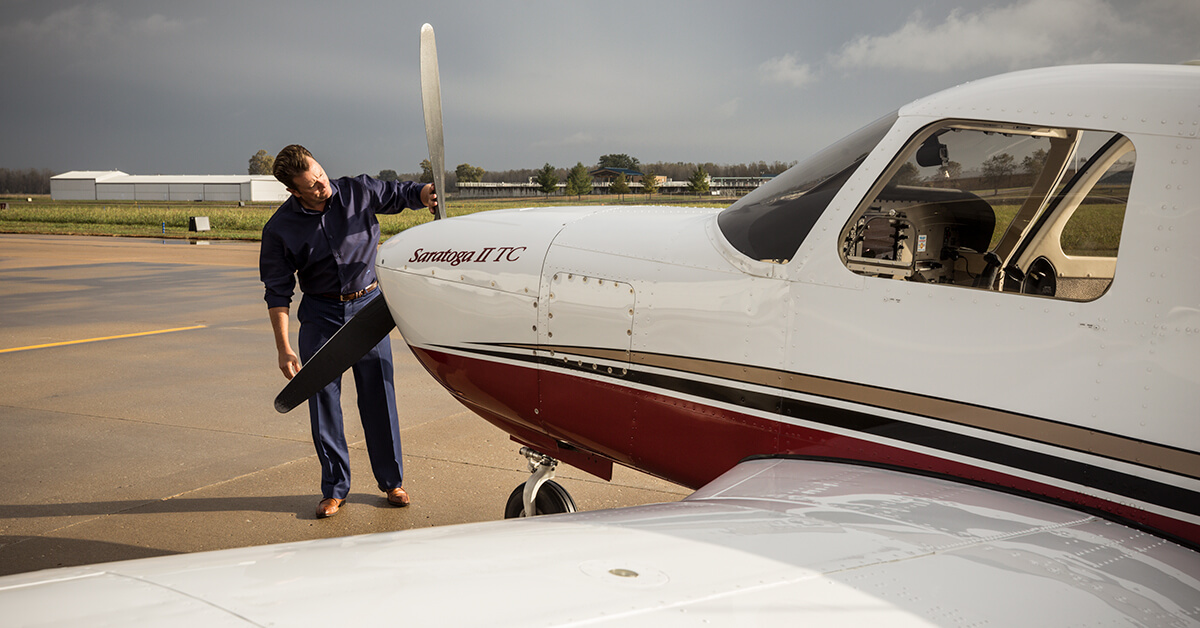
- The Single-Pilot Safety Standdown covered the unique aspects of that operational environment. Discussions for solo pilots included fatigue and how to manage transitions to more capable aircraft (from pistons to turboprops or turboprops to light jets). A panel discussion covered the risks and safety threats within the National Airspace System, and a presentation described the lessons derived from real-world single-pilot accidents and incidents.
- The Small Operator Symposium featured conversations on building a culture of safety within small flight departments of two or fewer aircraft. Tim Lilley, former Army helicopter pilot and the father of Sam Lilley, one of the pilots of the PSA flight in the midair collision, spoke about the tragedy of that incident and called for stronger regulations. The symposium also covered operational insights and innovations, including topics such as aeronautical decision making, and offered insights and strategies to enhance safety professionalism and decision making in high-stakes environments.
- National Safety Forum sessions looked at the “Last 1,000 Feet” including runway safety and incursions, stabilized approaches and other issues during that transitional phase of flight. Also in focus were aeromedical policies related to FAA medical certificates, as well as a panel on accountable executive safety investment and culture. Business aviation executives shared insights from having experienced an accident or incident and their proactive work to prevent them from happening again.
“The sessions bring together industry-leading subject matter experts to have conversations that yield incredible safety insights,” said Larsen. “Our hope is that organizations take this information and apply it to their own operations to minimize risks, making business aviation safer.”

 International Business Aviation Council Ltd.